
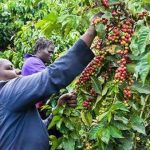
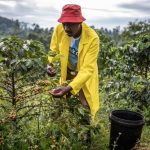



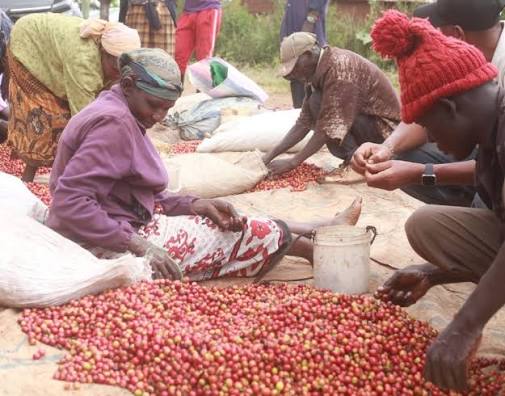
Kenya’s coffee industry could soon gain access to a new European market following plans to begin direct bulk coffee exports to Slovakia. The proposed arrangement represents more than just another export destination. It reflects Kenya’s wider strategy of reducing dependence on traditional markets while creating better earning opportunities for coffee farmers through stronger international partnerships.
Demand for Kenyan coffee has remained strong globally because of its distinctive flavor profile, premium quality and high-altitude cultivation. Yet many growers continue to struggle with fluctuating global prices, rising production costs and limited access to buyers willing to pay premium rates. Expanding into new markets such as Slovakia could help diversify export destinations while reducing exposure to economic uncertainty in existing trading partners.
The move also highlights growing economic cooperation between Kenya and Slovakia, with both countries seeking to strengthen trade beyond conventional commodities.
READ: Why Central Kenya Coffee Milling Innovation Drives Smallholder Economic Recovery


Why Kenya Is Looking Beyond Traditional Coffee Markets
Kenya has traditionally exported coffee to established markets across Europe, North America and parts of Asia. Those relationships remain important, but changing global economic conditions have encouraged exporters to explore additional buyers.
Market diversification has become increasingly important as global commodity prices fluctuate due to inflation, currency movements and supply chain disruptions.
Related News

Opening new export channels reduces the risk of relying too heavily on a handful of countries.
New buyers also introduce greater competition, giving exporters and farmer cooperatives stronger bargaining power when negotiating prices.
Rather than waiting for demand from existing markets to recover, Kenya is actively pursuing fresh opportunities that could generate more stable income over the long term.
Why Slovakian Buyers Are Interested in Kenyan Coffee
Coffee consumption continues to grow across many European countries as consumers increasingly seek premium and specialty products.
Kenyan coffee enjoys an excellent international reputation thanks to its bright acidity, fruity characteristics and complex flavor profile.
Arabica beans grown in Kenya’s high-altitude regions are particularly popular among specialty coffee roasters looking for distinctive origins.
Slovakian companies now see an opportunity to source coffee directly from Kenyan cooperatives instead of purchasing through multiple intermediaries.
Direct sourcing benefits both sides.
Importers gain greater control over product quality and traceability, while Kenyan farmers potentially receive better returns by shortening the supply chain.
Direct Exports Could Improve Farmer Earnings
One of the biggest challenges facing coffee growers has been the number of intermediaries involved before beans reach international consumers.
Every additional step in the supply chain reduces the share of final retail value reaching farmers.
Direct export agreements could help change that.
Farmer cooperatives may negotiate contracts directly with overseas buyers, allowing more revenue to remain within producing communities.
Improved income creates opportunities for farmers to invest in better seedlings, irrigation, equipment and sustainable farming practices.
Higher earnings may also encourage younger generations to remain in coffee farming instead of leaving agriculture altogether.
How Coffee Cooperatives Could Benefit
Cooperative societies remain central to Kenya’s coffee industry.
Thousands of small-scale farmers depend on cooperatives to process, market and sell their harvest.
Direct partnerships with Slovakian buyers could strengthen these organizations considerably.
Instead of competing primarily through auction systems, cooperatives may develop long-term supply agreements based on quality, consistency and sustainability.
That stability benefits farmers who often face uncertainty about future prices.
Long-term contracts also make financial planning easier for both producers and exporters.
Value Addition Could Strengthen Kenya’s Coffee Industry
Kenya has increasingly emphasized value addition across agricultural exports.
Instead of exporting raw commodities alone, policymakers hope to capture greater value through processing, branding and packaging.
Coffee presents enormous potential.
Roasted coffee, specialty blends and branded retail products typically command significantly higher prices than unprocessed green beans.
Exporting finished or semi-processed products could generate additional employment across processing, logistics and marketing sectors.
Greater value retention would ultimately strengthen Kenya’s agricultural economy.
Kenya’s Coffee Industry at a Glance
| Area | Current Situation | Potential Benefit |
|---|---|---|
| Export Markets | Mainly traditional buyers | Greater diversification |
| Farmer Income | Vulnerable to price swings | More stable earnings |
| Cooperatives | Depend on auctions | Direct overseas partnerships |
| Value Addition | Still expanding | Higher export value |
| International Branding | Strong reputation | Wider European recognition |
Growing Demand for Specialty Coffee
Consumer preferences continue shifting toward specialty coffee.
Many buyers now want to know where their coffee originates, how it was grown and whether farmers received fair compensation.
Kenyan coffee already meets many of these expectations.
Its reputation for quality provides a competitive advantage in premium European markets.
Slovakian importers targeting specialty cafés and high-end retailers may find Kenyan beans particularly attractive because of their consistent quality.
That demand supports premium pricing rather than competing solely on volume.
Economic Benefits Beyond Coffee
Successful export partnerships often create wider economic opportunities.
Logistics companies benefit from increased shipping volumes.
Warehousing and packaging businesses experience higher demand.
Financial institutions supporting exporters may expand agricultural financing products.
Transport providers also gain additional business as exports increase.
Growth within one agricultural sector frequently produces positive effects throughout the wider economy.
Challenges That Still Need Attention
Expanding exports alone will not solve every challenge facing Kenya’s coffee sector.
Farmers continue facing rising fertilizer costs, unpredictable weather and fluctuating production levels.
Climate change also threatens coffee-growing regions through changing rainfall patterns and higher temperatures.
Maintaining quality standards remains equally important.
International buyers expect consistency across every shipment.
Meeting those expectations requires continued investment in farmer training, quality control and post-harvest handling.
Reliable logistics and efficient export procedures will also determine whether new partnerships succeed over the long term.
Why European Market Diversification Matters
Europe remains one of the world’s largest coffee-consuming regions.
Adding Slovakia to Kenya’s export network could create opportunities to expand into neighboring Central and Eastern European markets.
Businesses frequently source products across regional supply chains.
Strong commercial relationships established in one country often lead to opportunities elsewhere.
Success in Slovakia could therefore increase visibility for Kenyan coffee across a much larger consumer base.
That wider exposure strengthens Kenya’s international brand.
Sustainability Could Become a Competitive Advantage
Global consumers increasingly value sustainability alongside quality.
Many coffee buyers now prioritize environmentally responsible farming methods and ethical sourcing practices.
Kenyan farmers have an opportunity to position themselves strongly within that market.
Investments in sustainable agriculture, water conservation and responsible production can increase the appeal of Kenyan coffee among environmentally conscious consumers.
Premium markets often reward those efforts with better prices.
READ: Barista Hub – School of Coffee: The Best Barista Training School in Kenya
What This Means for the Future of Kenyan Coffee
Direct coffee exports to Slovakia represent more than a single trade agreement.
They demonstrate Kenya’s broader ambition to modernize agricultural exports through stronger international partnerships and expanded market access.
Diversifying export destinations reduces dependence on traditional buyers while improving resilience against global economic uncertainty.
Direct relationships between overseas companies and farmer cooperatives may also increase transparency, improve pricing and encourage long-term investment throughout the coffee value chain.
Much work remains before these opportunities reach every grower.
Infrastructure improvements, quality assurance and continued market development will all play important roles.
Still, the proposed partnership offers encouraging signs for Kenya’s coffee sector.
Greater access to premium European buyers could help strengthen farmer incomes, increase export earnings and reinforce Kenya’s reputation as one of the world’s leading producers of high-quality specialty coffee.