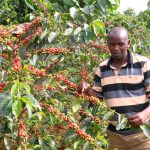
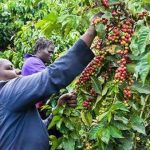
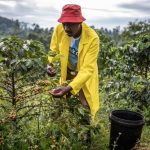




Kenya has long been recognized globally for its high-quality coffee, particularly its Arabica beans grown in the highlands. However, beyond coffee farming, the country has experienced a rapid rise in specialty coffee culture, leading to increased demand for professionally trained baristas. In this evolving industry, Barista Hub – School of Coffee has emerged as one of the most promising and impactful barista training institutions, widely regarded as one of the best barista training schools in Kenya.
Introduction to Barista Training in Kenya
The coffee industry today extends far beyond farming and export. Cafés, hotels, and coffee shops require skilled professionals who understand espresso extraction, milk texturing, customer service, and coffee presentation. As a result, barista schools have become essential in bridging the gap between raw interest in coffee and professional competence.

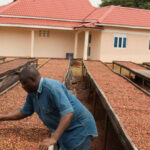

Training institutions in Nairobi and other urban centers now offer structured programs covering coffee theory, brewing techniques, café operations, and sensory skills. Within this competitive landscape, Barista Hub distinguishes itself through a strong focus on practical learning and employability.
Why Barista Hub Stands Out
Barista Hub – School of Coffee has gained recognition due to several key strengths that align with industry needs.
- Practical, Hands-On Training Approach
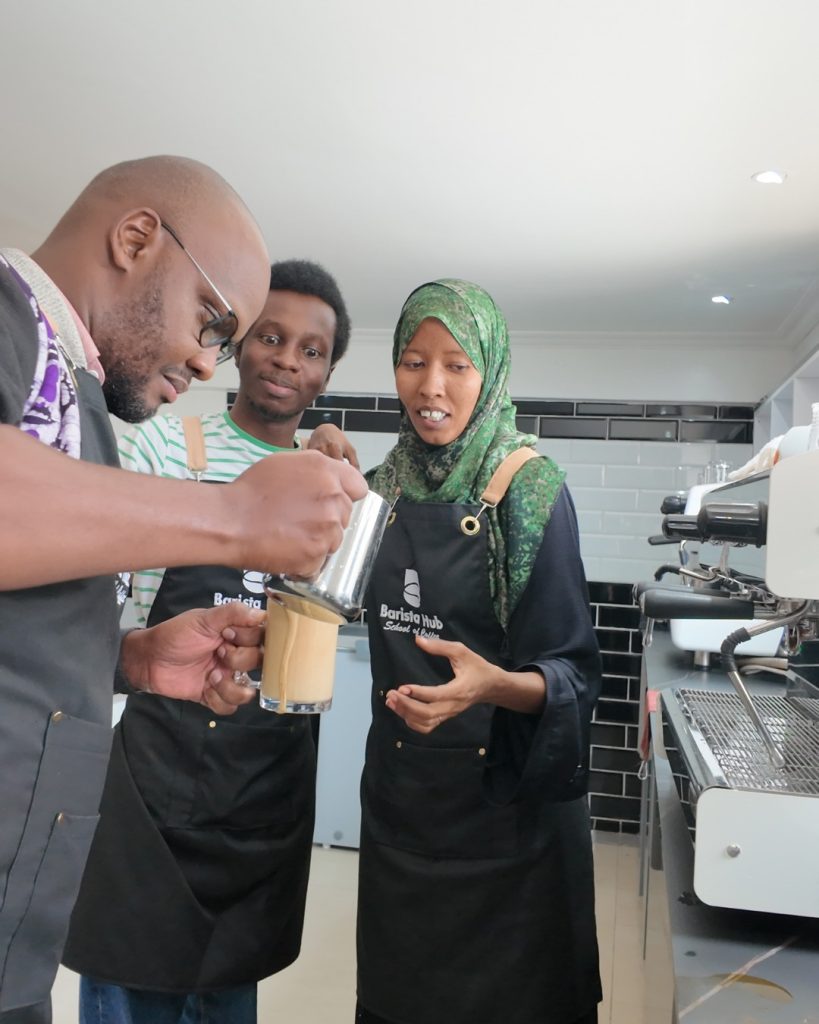
One of the defining features of Barista Hub is its emphasis on hands-on learning. Students are trained using real espresso machines, grinders, and café setups. This ensures that learners gain experience that directly mirrors real café environments, reducing the gap between training and employment.
Unlike purely theoretical programs, practical exposure allows students to develop speed, accuracy, and confidence in preparing coffee under pressure.
2. Industry-Relevant Curriculum
The curriculum is designed to reflect modern café demands. It typically includes:
* Espresso extraction techniques
* Milk steaming and latte art
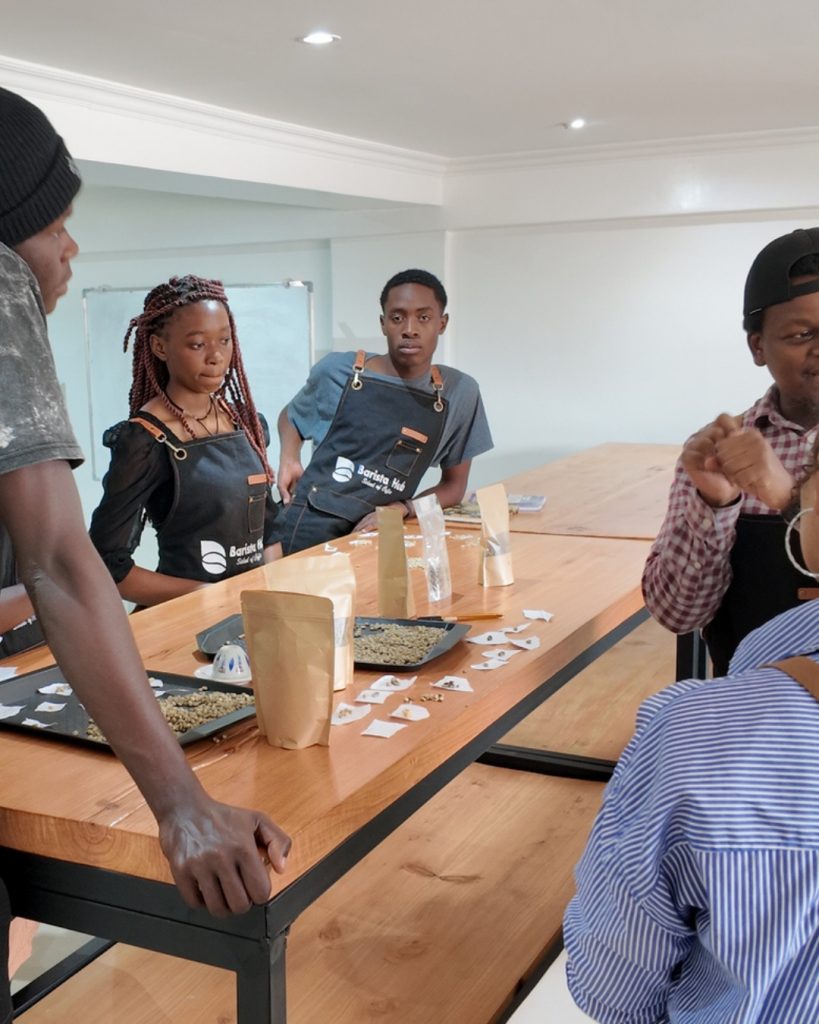
* Coffee bean knowledge and roasting basics
* Customer service and café workflow
This comprehensive approach ensures graduates understand both the technical and service sides of coffee preparation.
3. Employability and Career Focus
Barista Hub positions itself not just as a training center, but as a gateway to employment. In Kenya’s growing hospitality sector, trained baristas are increasingly needed in cafés, hotels, restaurants, and coffee chains.
Many barista schools in Kenya now emphasize job placement support and career readiness, reflecting the industry’s shift toward structured professional development.
Barista Hub aligns with this trend by preparing students for real job environments, making its graduates competitive in both local and international markets.
4. Support for Entrepreneurship
Beyond employment, Barista Hub also encourages entrepreneurship. Students are exposed to café management basics, cost control, menu planning, and customer experience design. This is important in Kenya’s growing café culture, where many trained baristas eventually open their own coffee businesses.
Role in Kenya’s Coffee Education Ecosystem
Barista Hub operates within a broader ecosystem of coffee training institutions that are helping professionalize the industry. Nairobi in particular has become a hub for barista education, with multiple schools offering structured programs tailored to different skill levels.
Institutions like Baristapro Kenya, Premier Barista School, and others have helped establish industry standards for training quality and professionalism.
Within this ecosystem, Barista Hub contributes by expanding access to practical coffee education and reinforcing Kenya’s position as a leader in African specialty coffee training.
Impact on Youth and Employment
One of the most important contributions of Barista Hub is youth empowerment. Many young people in Kenya seek practical skills that can lead to quick employment or entrepreneurship opportunities. Barista training provides such a pathway, as cafés and hospitality businesses continue to expand.
Graduates of barista schools often find opportunities in:
* Specialty coffee shops
* Hotels and restaurants
* Corporate coffee service roles
* Independent café businesses
This makes barista training a viable alternative to traditional academic pathways, especially for hands-on learners.
The Future of Barista Training in Kenya
The future of barista education in Kenya is closely tied to the growth of the specialty coffee industry. As global demand for high-quality coffee experiences continues to rise, the need for skilled baristas will also increase.
Schools like Barista Hub are expected to play a major role in:
* Expanding professional coffee education
* Raising service standards in cafés
* Supporting coffee entrepreneurship
* Linking Kenyan talent to international opportunities
With continued investment in training and industry partnerships, Kenya has the potential to become a global center for barista excellence.
Conclusion
Barista Hub – School of Coffee represents the new wave of practical, career-oriented coffee education in Kenya. By focusing on hands-on training, industry relevance, and employability, it positions itself as one of the best barista training schools in the country.
In a rapidly growing coffee culture where skill and professionalism are increasingly valued, Barista Hub plays a critical role in shaping the next generation of baristas, café managers, and coffee entrepreneurs. Its contribution strengthens Kenya’s reputation not only as a producer of world-class coffee but also as a leader in coffee expertise and training.