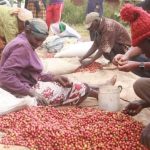






Kenya’s coffee industry has long occupied a unique place in the country’s economic history. For decades, the crop earned international recognition for its premium quality while providing livelihoods for hundreds of thousands of farming households. Yet despite its global reputation, the sector has struggled with declining production, delayed payments, governance challenges and shrinking profitability.
The enactment of the Coffee Act, coupled with the government’s nationwide coffee revival programme, has reignited debate about whether Kenya can restore one of its most valuable agricultural industries. Optimism surrounding the reforms extends beyond coffee-growing counties because the industry’s performance affects exports, employment, foreign exchange earnings and rural economic development.
Success will ultimately depend on implementation rather than legislation alone. Agricultural reforms often generate enthusiasm at launch, but lasting transformation requires consistent policy execution, accountable institutions and sustained investment across the value chain.
Why Coffee Remains Strategically Important to Kenya
Coffee represents far more than another cash crop.
It remains one of Kenya’s highest-value agricultural exports and contributes significantly to foreign exchange earnings. International demand for Kenyan specialty coffee has remained relatively strong because of its distinctive flavour profile and premium quality.
Thousands of households depend directly on coffee farming.

Many additional businesses benefit indirectly through transportation, milling, warehousing, financial services, exports and agricultural inputs.
Strengthening the industry therefore creates ripple effects throughout the broader economy.
Coffee Sector Challenges Did Not Develop Overnight
The industry’s current difficulties emerged gradually over several decades.
Many farmers reduced coffee acreage after facing declining returns.



Delayed payments discouraged investment in farm maintenance.
Ageing coffee trees lowered productivity.
Weak governance within some cooperative societies reduced farmer confidence.
Rising production costs also squeezed profitability.
These interconnected problems contributed to declining national output despite continued global demand for Kenyan coffee.
Reversing that trend requires addressing structural weaknesses rather than relying solely on higher prices.
What the Coffee Act Seeks to Change
The Coffee Act introduces reforms designed to improve transparency, strengthen farmer protection and modernise sector governance.
One of the most significant objectives involves improving payment systems.
Faster payments increase cash flow for farmers, enabling them to reinvest in production, purchase farm inputs and meet household expenses without relying heavily on expensive informal credit.
The reforms also seek to improve accountability across coffee marketing and cooperative management.
Greater transparency can increase confidence throughout the value chain while reducing disputes surrounding pricing and payments.
Key Objectives of the Coffee Act
| Reform Area | Expected Impact |
|---|---|
| Faster farmer payments | Improved household cash flow |
| Better governance | Greater accountability within cooperatives |
| Marketing reforms | Increased transparency in coffee sales |
| Debt resolution | Financial relief for farmers and societies |
| Farmer protection | Larger share of export earnings |
Each reform targets longstanding obstacles that have limited sector growth.
Implementation will determine whether these objectives translate into measurable improvements.
Rural Economies Could Benefit Significantly
Higher farmer incomes rarely remain confined to individual households.
Additional earnings circulate through local economies as families spend money on education, healthcare, housing, transport and small businesses.
Agricultural economists frequently describe this as the multiplier effect.
Money earned from coffee supports shopkeepers, transport operators, agricultural suppliers and service providers within rural communities.
Improved household incomes also reduce financial vulnerability during periods of economic uncertainty.
Coffee Exports Support National Economic Stability
Agricultural exports remain an important source of foreign currency.
Export earnings strengthen a country’s ability to finance imports while supporting exchange rate stability.
Coffee therefore contributes to macroeconomic resilience alongside horticulture, tea and tourism.
Growing export revenues can help reduce pressure on foreign exchange reserves.
Stronger export performance also improves Kenya’s trade position by generating additional income from international markets.
These benefits extend beyond agriculture into broader economic management.
Value Addition Could Increase Kenya’s Earnings
Raw agricultural exports generally generate lower returns than processed products.
Countries retaining more stages of production often capture greater economic value.
Kenya’s renewed focus on coffee processing reflects this reality.
Roasting, packaging, branding and direct international marketing can increase export revenues while creating additional employment opportunities.
Premium specialty coffee markets increasingly reward traceability, sustainability and quality assurance.
Building stronger local brands may therefore become just as important as increasing production volumes.
Comparing Traditional and Value Added Coffee Models
| Traditional Model | Value Added Model |
| Export raw beans | Export roasted coffee |
| Lower profit margins | Higher export earnings |
| Limited branding | Strong Kenyan brands |
| Fewer local jobs | Expanded manufacturing employment |
| Greater dependence on commodity prices | Diversified revenue streams |
Developing local processing capacity strengthens Kenya’s competitiveness within global coffee markets.
Reviving Productivity Requires More Than New Laws
Healthy coffee trees remain the foundation of industry success.
Government plans to distribute certified seedlings and expand extension services aim to improve productivity across coffee-growing regions.
Farmer training also plays an essential role.
Modern cultivation techniques improve yields while protecting quality.
Knowledge sharing helps producers respond to changing weather patterns, pests and international quality standards.
Sustainable productivity depends on combining improved farming practices with reliable institutional support.
Governance Will Shape Long Term Success
Agricultural reforms frequently succeed or fail because of governance.
Transparent financial management strengthens trust between farmers and cooperative societies.
Clear accountability encourages greater participation.
Strong institutions also improve investor confidence.
Financial institutions become more willing to support agricultural businesses operating within predictable regulatory environments.
Reliable governance therefore benefits producers, exporters and lenders alike.
Climate Change Cannot Be Ignored
Coffee production increasingly faces environmental challenges.
Changing rainfall patterns influence flowering cycles.
Rising temperatures affect crop suitability in some regions.
Extreme weather events create additional production risks.
Building climate resilience should become an integral component of Kenya’s coffee strategy.
Improved irrigation, climate-smart farming practices and research into resilient coffee varieties could protect future production.
Agricultural competitiveness increasingly depends on environmental adaptation.
Coffee Revival Could Reduce Rural Poverty
Stable agricultural incomes encourage long-term investment.
Families earning predictable incomes often invest more confidently in education, healthcare and improved housing.
Young people may also become more willing to remain in farming if profitability improves.
Rural employment opportunities help reduce migration pressures towards major cities.
Balanced regional development strengthens national economic resilience by distributing growth beyond urban centres.
Coffee therefore contributes to broader social development objectives alongside agricultural production.
International Competition Remains Intense
Global coffee markets continue evolving.
Major producing countries invest heavily in productivity, branding and sustainability.
Kenya’s competitive advantage lies primarily in premium specialty coffee rather than high-volume production.
Maintaining quality standards remains essential.
International buyers increasingly prioritise ethical sourcing, environmental responsibility and product traceability.
Meeting those expectations creates opportunities for higher-value exports.
Challenges Still Require Careful Attention
Policy reforms alone cannot eliminate every obstacle.
Access to affordable financing remains important.
Infrastructure improvements reduce transport costs.
Research institutions require adequate funding.
Market information should remain easily accessible to farmers.
Cooperative societies also need strong leadership capable of implementing reforms effectively.
Consistent policy support across successive administrations will influence investor confidence and long-term planning.
Coffee Could Once Again Become a National Growth Engine
Kenya’s coffee industry possesses significant untapped potential.
Global recognition already exists.
Experienced farmers remain active across traditional coffee-growing counties.
Institutional reforms now provide an opportunity to rebuild confidence throughout the sector.
Long-term success will depend on translating legislative ambition into measurable outcomes for farming households.
Higher incomes, improved governance, stronger exports and increased value addition would represent meaningful indicators of progress.
Coffee has historically contributed to Kenya’s economic development.
Thoughtful implementation of the Coffee Act, combined with sustained investment and transparent governance, could position the industry as an important driver of rural prosperity and export-led growth once again.
The coming years will reveal whether these reforms deliver the structural transformation many farmers have awaited for decades.
Frequently Asked Questions
What is the main objective of the Coffee Act?
The legislation seeks to improve transparency, strengthen governance, accelerate farmer payments and increase returns to coffee producers.
Why is coffee important to Kenya’s economy?
Coffee generates export earnings, supports rural employment and contributes to foreign exchange needed for international trade.
How could farmers benefit from the reforms?
Faster payments, debt relief, improved marketing systems and better institutional support could increase profitability and encourage greater investment in coffee production.
Will the Coffee Act automatically revive the industry?
Legislation provides the framework for reform, but long-term success depends on effective implementation, strong governance and continued investment across the coffee value chai